What Is Fibreglass Fabric?
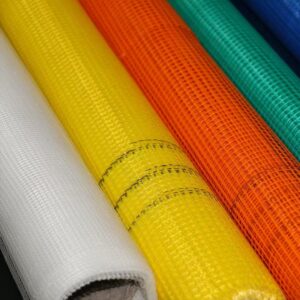
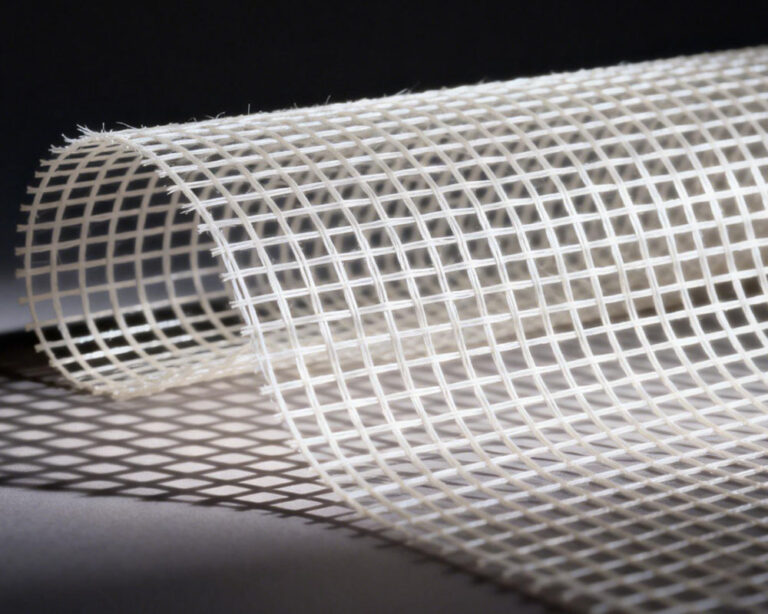
Fiberglass fabric refers to a widely used glass-fiber–reinforced composite material. The glass fibers within it may be arranged randomly, pressed into sheet form (commonly known as chopped strand mat), or woven into fiberglass cloth. The polymer matrix that binds the fibers can be either a thermosetting resin—most commonly epoxy, polyester, or vinyl ester—or a thermoplastic polymer.
Compared with carbon fiber, fiberglass is more affordable and more flexible. It offers high strength while being lighter than many metals. In addition, it is non-magnetic, electrically insulating, and transparent to electromagnetic waves. Fiberglass can be molded into complex shapes and generally exhibits good chemical stability. Because of these properties, it is widely used in industries such as aerospace, marine engineering, automotive manufacturing, and construction, as well as in products like bathtubs and surrounds, swimming pools, hot tubs, septic tanks, water storage tanks, roofing materials, pipes, cladding panels, orthopedic casts, surfboards, and exterior door skins.
Fiberglass composites are also known by several other names, including Glass-Reinforced Plastic (GRP), Glass Fiber Reinforced Plastic (GFRP), or GFK (from the German Glasfaserverstärkter Kunststoff). Since the term “fiberglass” is sometimes used to describe the glass fibers themselves, the composite material is often referred to more broadly as Fiber-Reinforced Plastic (FRP). In this context, however, “fiberglass” specifically denotes the complete fiber-reinforced composite material rather than the glass fibers alone.
The History of Fiberglass Fabric.
Glass fibers have been known and produced for hundreds of years, but the first official patent related to fiberglass technology was granted in the United States in 1880 to the Prussian inventor Hermann Hammesfahr (1845–1914).
Large-scale production of glass fibers emerged by chance in 1932. During an experiment, Games Slayter, a researcher at Owens-Illinois, directed compressed air onto molten glass and unintentionally created fine glass filaments. A patent application for this glass wool manufacturing process was submitted in 1933. In 1935, Owens-Illinois partnered with the Corning Glass Company, and by 1936 the technique was refined by Owens Corning to produce its trademarked product “Fiberglas” (spelled with a single “s”). At that stage, Fiberglas consisted primarily of glass wool filled with trapped air, which made it especially effective as a thermal insulator, particularly in high-temperature environments.
In 1936, DuPont developed a compatible resin that allowed fiberglass to be bonded with plastic, forming a composite material. A key precursor to modern polyester resins appeared in 1942 with a resin developed by Cyanamid, and peroxide-based curing systems soon followed. When fiberglass was combined with resin, the trapped air was replaced by plastic. Although this reduced its insulating capability, the resulting material demonstrated significantly improved strength, marking its first real potential as a structural and construction material. Over time, the term “fiberglass” became a general label for many glass fiber composites, even though it was also still used to describe traditional glass wool products.
In 1937, Ray Greene of Owens Corning is credited with building the first fiberglass composite boat, though its development was limited due to the brittleness of the plastics available at the time. By 1939, reports indicated that the Soviet Union had produced a passenger boat using plastic materials, while the United States experimented with aircraft fuselages and wings made from similar composites. The earliest automobile featuring a fiberglass body was a prototype version of the Stout Scarab in 1946; however, it never progressed to mass production.
(the history of fiberglass fabric from Wikipedia)
What is Fiberglass Fabric Used for?
Storage Tanks
Storage tanks can be manufactured using fiberglass-reinforced plastic (FRP), with capacities reaching approximately 300 tons. Smaller tanks are typically produced by applying chopped strand mat over a thermoplastic inner tank, which serves as a preformed liner during fabrication.
For applications requiring higher reliability, tanks are constructed using woven roving or filament-wound fibers. In these designs, the fiber orientation is arranged perpendicular to the circumferential stress generated by the stored material acting on the tank walls, thereby improving structural strength. Such tanks are widely used for chemical storage, as their plastic liners—most commonly polypropylene—offer excellent resistance to corrosive substances. Fiberglass is also commonly used in the manufacture of septic tanks.
Building Construction
Fiberglass-reinforced plastic is used in the production of various building components, including roof laminates, door frames, door canopies, window awnings and dormers, chimneys, eave capping systems, and roofing elements with keystones and window sills. Compared with wood or metal, FRP components are lighter and easier to handle, allowing for faster installation.
In addition, mass-produced fiberglass panels with brick-pattern finishes can be used in composite housing construction. These panels can incorporate insulation layers to help reduce heat loss and improve energy efficiency.
Artificial Lift Systems in Oil and Gas
In sucker-rod pumping applications, fiberglass sucker rods are widely adopted due to their high tensile strength-to-weight ratio. Compared with steel rods of equal weight, fiberglass rods exhibit greater elastic elongation (a lower Young’s modulus), enabling more crude oil to be lifted to the surface during each pumping cycle while simultaneously reducing the mechanical load on pumping equipment.
Fiberglass rods must remain under tension at all times, as they are susceptible to failure under even minor compressive forces. This tendency is further increased by the buoyancy of the rods when submerged in fluids.
Piping
Glass-reinforced plastic (GRP) and glass fiber–reinforced epoxy (GRE) piping systems are used in a wide range of above-ground and underground applications. These include desalination plants, water treatment facilities, potable water distribution networks, chemical processing installations, fire protection systems, hot and cold water lines, wastewater and sewage systems, municipal drainage networks, and liquefied petroleum gas (LPG) systems.
Boat Building
Fiberglass composite boats have been manufactured since the early 1940s. From the 1950s onward, many sailboats were constructed using fiberglass lay-up techniques. As of 2022, fiberglass remains a key material in boat construction, although more advanced processes—such as vacuum bag molding—are now commonly employed.
Armor
Although most ballistic armor is made from various textile materials, fiberglass-reinforced composites have also proven to be effective as ballistic protection and are used in certain armor applications.
What Type of Material Is Fiberglass?
Fiberglass is a composite material.
More specifically, it is a glass fiber–reinforced polymer (GFRP), meaning it combines two main components:
· Glass fibers – These provide strength, stiffness, and load-bearing capability.
· Polymer matrix (resin) – This binds the fibers together, transfers loads between them, and protects the fibers from environmental damage.
On its own, glass is brittle, and plastic alone lacks sufficient strength. When combined, however, the fibers and resin work together to create a material that is strong, lightweight, durable, and corrosion-resistant.
How Is Fiberglass Fabric Made?
The manufacturing process used to produce glass fibers for reinforcement applications is known as pultrusion-based fiber drawing. In this process, raw materials such as silica sand, limestone, kaolin clay, fluorspar, colemanite, dolomite, and other minerals are gradually heated in large furnaces until they melt into a homogeneous liquid.
The molten glass is then extruded through a bushing, a bundle-like device containing hundreds or thousands of extremely fine holes. The diameter of these holes depends on the glass type: for E-glass, they typically range from 5 to 25 micrometers, while S-glass filaments are usually around 9 micrometers in diameter.
As the molten glass exits the bushing, it is drawn into continuous filaments and immediately coated with a chemical sizing. This surface treatment protects the fibers, improves handling, and enhances compatibility with resin systems. The individual filaments are then gathered together into bundles known as rovings.
The weight of a roving depends on both the filament diameter and the number of filaments it contains. Roving size is commonly expressed using one of two measurement systems:
· Yield (yards per pound): This indicates how many yards of fiber are contained in one pound of material. A lower yield value corresponds to a heavier roving. Common examples include 225 yield, 450 yield, and 675 yield.
· Tex (grams per kilometer): This represents the mass of the roving per kilometer of length and is inversely related to yield. Lower tex values indicate lighter rovings. Typical examples include 750 tex, 1100 tex, and 2200 tex.
These rovings can be used directly in composite manufacturing processes such as pultrusion, filament winding (commonly for pipes and pressure vessels), and spray-up applications, where an automated gun chops continuous glass fibers into short lengths and sprays them together with resin onto a mold surface.
Alternatively, rovings may undergo further processing to produce various fiberglass fabrics and reinforcements. These include chopped strand mat (CSM), which consists of randomly oriented chopped fibers bonded together, as well as woven fabrics, knitted fabrics, and unidirectional fabrics, all of which are widely used in fiberglass composite applications.
What Are the Advantages of Fiberglass Fabric?
Fiberglass fabric offers a wide range of advantages, which is why it’s widely used in construction, automotive, marine, and industrial applications. Here’s a detailed breakdown:
High Strength-to-Weight Ratio
Fiberglass is strong for its weight, making it ideal for applications where both strength and lightweight properties are important. While not as strong as carbon fiber, it is significantly stronger than many metals on a weight basis.
Corrosion and Chemical Resistance
Fiberglass does not rust or corrode, and when combined with appropriate resin systems, it resists a wide range of chemicals, acids, and alkalis. This makes it ideal for chemical tanks, piping, and marine applications.
Non-Conductive and Non-Magnetic
Fiberglass is electrically insulating and non-magnetic, which is useful for electrical enclosures, antenna supports, and applications in sensitive electronic environments.
Design Flexibility
Fiberglass can be molded into complex shapes that would be difficult or expensive to achieve with metal or wood. This makes it suitable for intricate architectural elements, custom parts, and composite panels.
Lightweight
Fiberglass is lighter than most metals, reducing transportation and installation costs. In construction or automotive applications, this contributes to fuel savings and easier handling.
Thermal Resistance
Fiberglass has good thermal stability. While its heat resistance is limited by the type of resin used, the glass fibers themselves can withstand high temperatures, making it suitable for insulation or high-temperature components.
Durable and Long-Lasting
Fiberglass composites have excellent durability, resisting rot, decay, and degradation over time. When properly manufactured, they can last for decades even in harsh outdoor environments.
Cost-Effective
Compared with advanced composites like carbon fiber or aramid, fiberglass is relatively inexpensive. It provides many of the benefits of fiber-reinforced composites at a lower cost.
Easy to Fabricate
Fiberglass can be processed using pultrusion, filament winding, hand lay-up, spray-up, and other methods, making it versatile for both large-scale industrial production and small custom projects.
What Are the Disadvantages of Fiberglass Fabric?
Fiberglass fabric has many advantages, but it also comes with several important disadvantages that should be considered when choosing materials:
Lower Strength Than Advanced Fibers
While fiberglass is strong and lightweight, it does not match the strength or stiffness of carbon fiber or aramid fibers (such as Kevlar). For applications requiring extremely high performance or minimal deflection, fiberglass may not be sufficient.
Brittleness and Impact Sensitivity
Fiberglass can be brittle under sudden impact. It tends to crack or fracture rather than deform plastically like metals, which can lead to sudden failure without much warning.
Fatigue and Long-Term Performance
Under repeated cyclic loading, fiberglass may experience fatigue degradation over time. Its fatigue resistance is generally lower than that of carbon fiber, especially in demanding structural applications.
Moisture Absorption and Environmental Effects
Although the glass fibers themselves do not absorb water, the resin matrix can, particularly in poorly sealed laminates. Prolonged exposure to moisture, UV radiation, or harsh environments may reduce mechanical performance unless proper coatings or resins are used.
Health and Safety Concerns
During cutting, grinding, or handling, fiberglass fabric can release fine glass particles that irritate the skin, eyes, and respiratory system. Proper protective equipment is required during fabrication and installation.
Heavier Than Carbon Fiber
Fiberglass is significantly heavier than carbon fiber for the same level of stiffness or strength, which can be a disadvantage in weight-critical applications such as aerospace or high-performance vehicles.
Difficult Repair and Recycling
Once cured, fiberglass composites are difficult to repair invisibly and even more difficult to recycle. Most fiberglass waste ends up in landfills, making it less environmentally friendly than some alternative materials.
Thermal Limitations
Fiberglass composites are limited by the heat resistance of the resin system. At elevated temperatures, the resin may soften or degrade, reducing structural integrity.
Is Fiberglass Fabric Safe?
Safe in Finished Products
Once fiberglass is fully cured and encapsulated in resin, it is considered non-toxic and safe for human contact. Products like fiberglass boats, pipes, tanks, or building panels typically pose no direct health risk during normal use.
Risks During Handling and Fabrication
Fiberglass can cause irritation if it is cut, sanded, or machined, because tiny glass fibers may become airborne or settle on the skin:
· Skin: Direct contact with loose fibers can cause itching or a mild rash.
· Eyes: Airborne fibers can irritate or scratch the eyes.
· Respiratory system: Inhaling fine glass fibers or dust may irritate the nose, throat, or lungs. Prolonged exposure to large amounts of dust should be avoided.
Protective measures during fabrication include:
· Gloves and long sleeves to prevent skin irritation
· Safety goggles to protect eyes
· Dust masks or respirators when cutting, sanding, or spraying fiberglass
FAQ:
Q: Is fiberglass plastic or glass?
A: Fiberglass is a composite material made of glass fibers embedded in a plastic (resin) matrix. So it is both: glass in fiber form and plastic as the binder.
Q: What is another name for fiberglass?
A: Fiberglass (American English: Fiberglass; British English: fibroglass) is also called Glass-Reinforced Plastic (GRP), Glass Fiber Reinforced Plastic (GFRP), or simply Fiber-Reinforced Plastic (FRP).
Q: Is fiberglass a cheap material?
A: Yes, compared with advanced composites like carbon fiber or aramid, fiberglass is relatively inexpensive while still offering good strength and durability.
Q: Is fiberglass better than polyester?
A: Fiberglass itself is not a resin; it’s the reinforcement. Polyester is a resin. Fiberglass combined with polyester resin makes a strong composite. So “better” depends on application: fiberglass + polyester resin is stronger and stiffer than polyester alone.
Q: Is fiberglass safe to wear?
A: Fiberglass can irritate skin if fibers are loose, but fully cured fiberglass products are generally safe. Avoid direct contact with loose fibers, and wear protective clothing when handling uncured material.