What Are Insulation Pins?
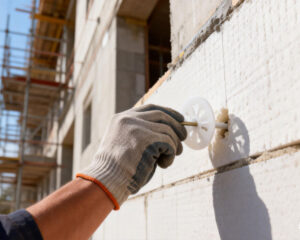
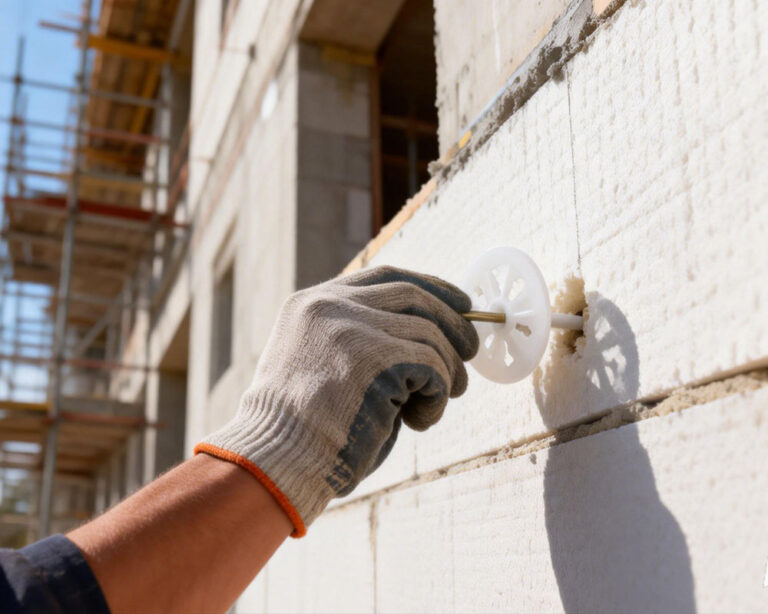
Insulation pins are fastening devices used to attach insulation materials to metal surfaces. Once a pin is welded or fixed in place, it sticks out from the surface. The insulation is then pushed onto the pin, and a self-locking washer or clip is added to hold everything securely.
This fastening method is commonly used for blanket insulation, rigid boards, and mineral or fiber wool, especially in HVAC and industrial environments.
Insulation pins can be welded or attached using adhesives. However, for industrial metal applications, welding is widely considered the most reliable and durable option.
Why Proper Insulation Pin Selection Matters?
The main goal of insulation fastening is to create a long-lasting, secure bond. According to the North American Insulation Manufacturers Association (NAIMA), correctly installed insulation can reduce energy loss in industrial piping and equipment by up to 20%.
Using the wrong insulation pin can lead to problems such as:
Thermal bridging
Loose or sagging insulation
Complete fastening failure
In short, the right pin improves energy efficiency, safety, and long-term performance.
How Do Insulation Pins Work?
The process is simple and effective:
The pin is welded or attached to the metal surface
Insulation is pushed onto the pin
A washer or clip locks the insulation in place
This method works well in environments where screws or adhesives fail due to heat, vibration, or moisture.
The Insulation Fastener Market Is Growing Fast.
The global HVAC insulation market reached USD 6.53 billion in 2024 and is expected to grow to USD 9.28 billion by 2030, with an annual growth rate of 4.7%. This growth reflects rising demand across residential, commercial, and industrial construction.
North America alone accounted for 35.1% of the global market in 2024. Stricter energy codes and higher efficiency standards mean more insulation—and more demand for reliable insulation fastening solutions.
For contractors and engineers, choosing the right insulation pin directly affects installation speed, quality, and compliance.
Common Types of Insulation Pins.
Not all projects allow welding, and not all surfaces work with adhesives. Insulation pins generally fall into several main categories.
CD Weld Pins (Capacitor Discharge Pins)
CD weld pins are installed using capacitor discharge welding equipment. They are popular because:
· Installation is fast
· Little surface preparation is needed
· They work on rusty, painted, or mill-scale surfaces
Typical sizes include 10-gauge and 12-gauge, with cycle speeds reaching up to 40 pins per minute. These pins are ideal when speed and consistency matter.
Double-Pointed Weld Pins
Double-pointed pins are used with arc welding equipment. The sharp ends help them pass cleanly through insulation.
They offer:
High tensile strength
Strong holding power for thick insulation
However, arc welding is slower than CD welding and requires more operator skill.
Stick Pins (Self-Adhesive Insulation Pins)
When welding is not possible due to safety concerns or thin substrates, self-adhesive stick pins are a common alternative.
They feature:
· A solid or perforated base
· High-strength industrial adhesive
These pins are easy to install but depend heavily on surface cleanliness and adhesive quality.
Cup Head Weld Pins
Cup head pins have a wide, cupped head that sits flush against the insulation surface. This design spreads the load and prevents pull-through.
They are commonly used for:
Pre-insulated ductwork
Marine and ship insulation
Heavier insulation requires longer pins and larger washers.
Washers and Speed Clips
Self-locking washers and speed clips provide mechanical fastening without welding. They are useful when working with pre-assembled systems or when welding equipment is unavailable.
Where Are Insulation Pins Commonly Used?
Insulation pins are used across many industries, including:
HVAC ductwork and sheet metal
Industrial ovens and furnaces
Boilers, tanks, and pressure vessels
Hot and cold process equipment
Thermal and acoustic insulation systems
Well-installed insulation can reduce building energy use by 20–30%, according to the U.S. Department of Energy.
Key Factors to Consider When Choosing Insulation Pins
- Base Material
Always match the pin material to the base metal to avoid corrosion.
Examples:
Galvanized steel → galvanized pins
Stainless steel → stainless pins
- Base Metal Thickness vs. Pin Diameter
There is an ideal balance:
Too small → base metal warps
Too large → pin fails
Accurate thickness measurement is critical.
- Operating Temperature
Standard carbon steel pins work for moderate temperatures. High-temperature environments may require special alloys or copper-coated pins.
- Welding Equipment
CD pins and arc pins are not interchangeable. Always match the pin type to your welding equipment.
- Insulation Type
Soft blankets and rigid boards behave differently. Thicker or denser insulation usually needs longer and stronger pins.
- Pin Length and Diameter
Pin length must exceed insulation thickness, and diameter must support the load.
- Washer or Clip Selection
The right washer prevents insulation from slipping over time.
Installation Quality Makes the Difference
Even the best pins will fail if installed incorrectly. Stud welding requires trained operators and proper technique. Poor welding leads to weak bonds and costly rework.
Key tips:
· Allow CD welders to fully charge
· Maintain consistent arc length in arc welding
· Use certified, trained personnel
How to Choose the Right Insulation Pin (Quick Checklist)
Identify base metal type and thickness
Confirm welding equipment type
Consider insulation weight and density
Check operating temperature
Estimate installation speed requirements
Evaluate surface condition
Verify strength and torque ratings
Final Thoughts
Insulation pins may be small components, but they play a critical role in insulation performance. The right choice improves durability, efficiency, and installation speed. The wrong choice leads to delays, rework, and early failure.
By understanding different pin types—CD pins, arc pins, stick pins, and cup head pins—you can make informed decisions and avoid costly mistakes.
Choose the right insulation pins, and your next project will be faster, stronger, and built to last.